
Missouri Car Accident Liability: The Ultimate Guide
Understanding Who Is at Fault and How to Protect Your Claim
In Missouri, no two car accidents are exactly alike. Whether you were hit at a stoplight in Osage Beach or involved in a highway collision near Jefferson City or Kansas City, the specific “type” of crash is the most important factor in determining who is legally responsible for your medical bills and vehicle damage.
Because Missouri follows a pure comparative fault system, insurance companies will often try to shift a percentage of the blame onto you to reduce their payout. At McDuffey & Medcalf, we know the tactics they use.
Explore our detailed guides below to learn how liability is determined in your specific accident scenario.
Determining Fault in Missouri T-Bone and Side-Impact Accidents
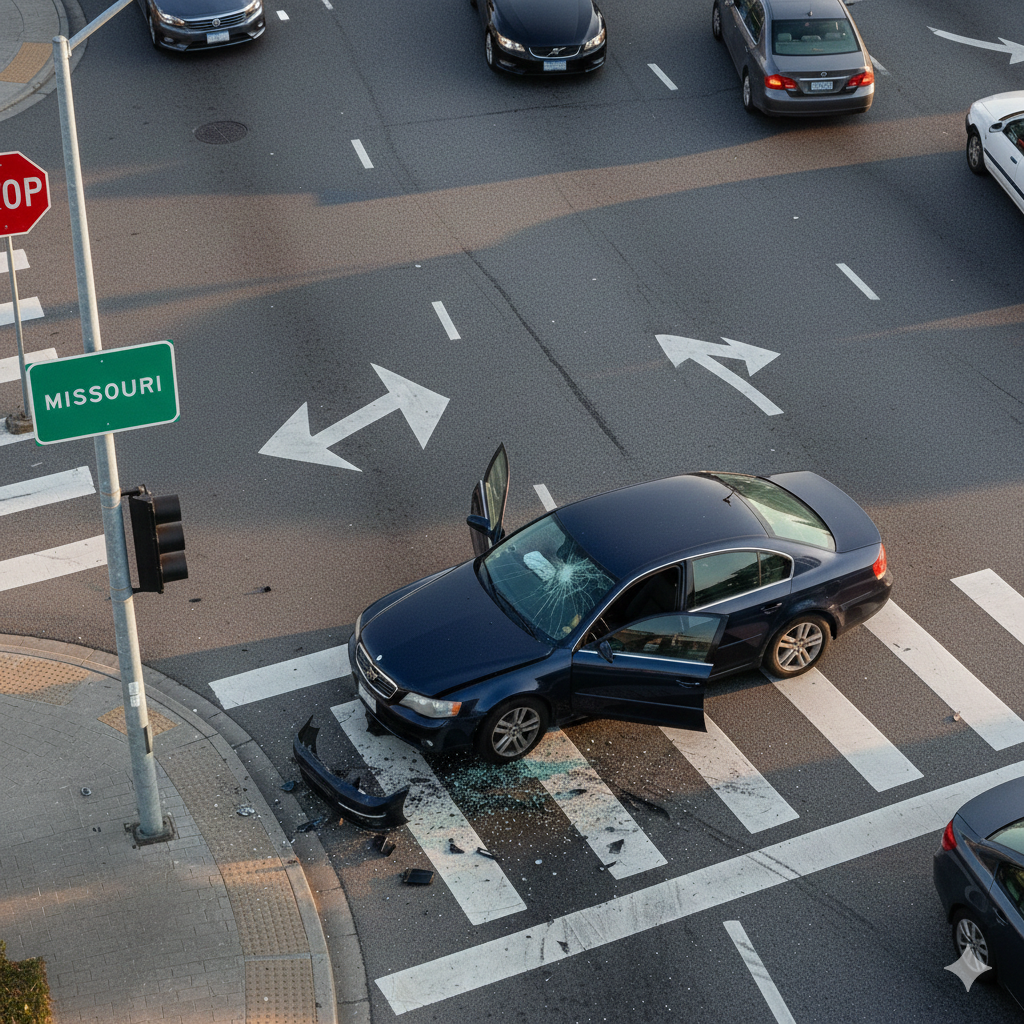
These crashes often happen because someone ran a red light or failed to yield at a stop sign. Because the sides of vehicles offer less protection, injuries are often severe.
-
Key Issues: Right-of-way disputes and traffic signal timing.
Missouri Lane Change Laws and Side-Swipe Accident Liability
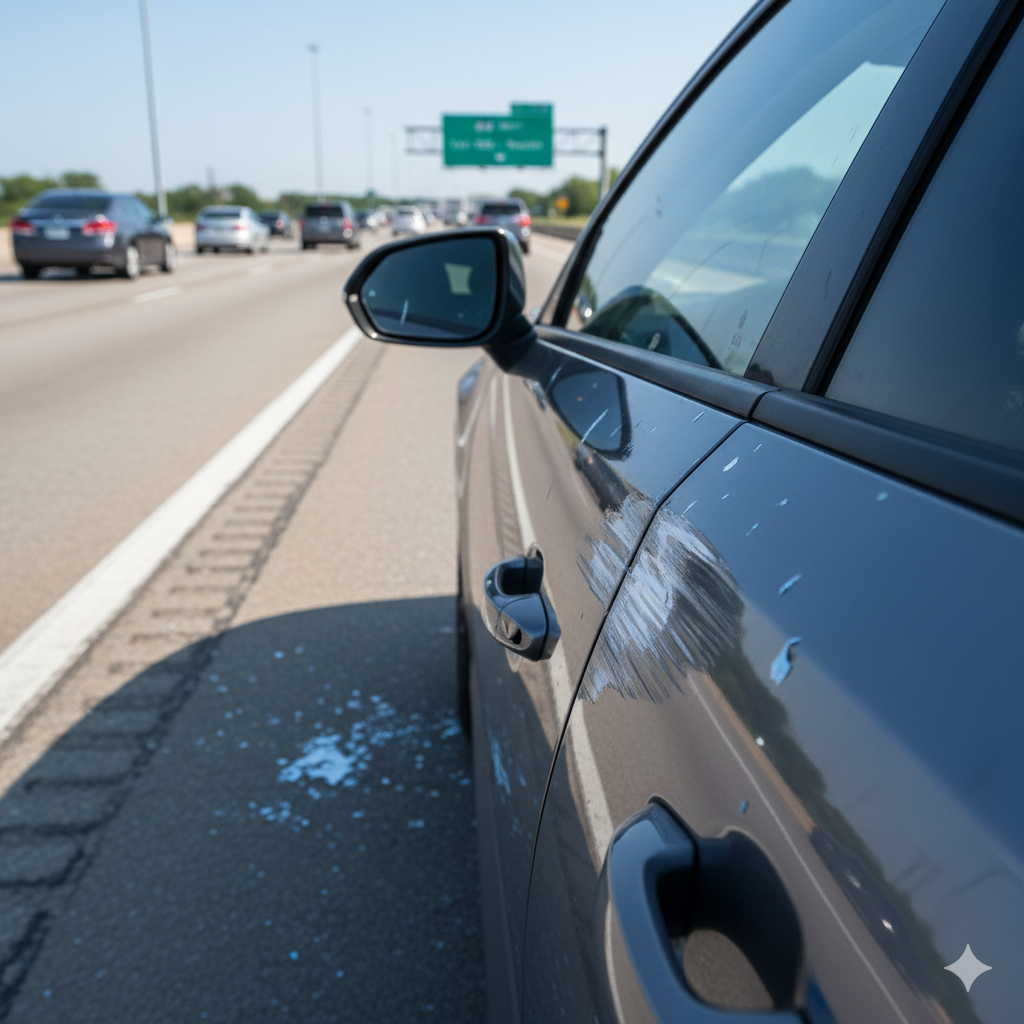
Common during lane changes or merges on the highway. Proving who drifted out of their lane requires specific evidence like skid marks and vehicle damage patterns.
-
Key Issues: Blind spots and failure to signal.
Proving Negligence in Missouri Rear-End Collisions
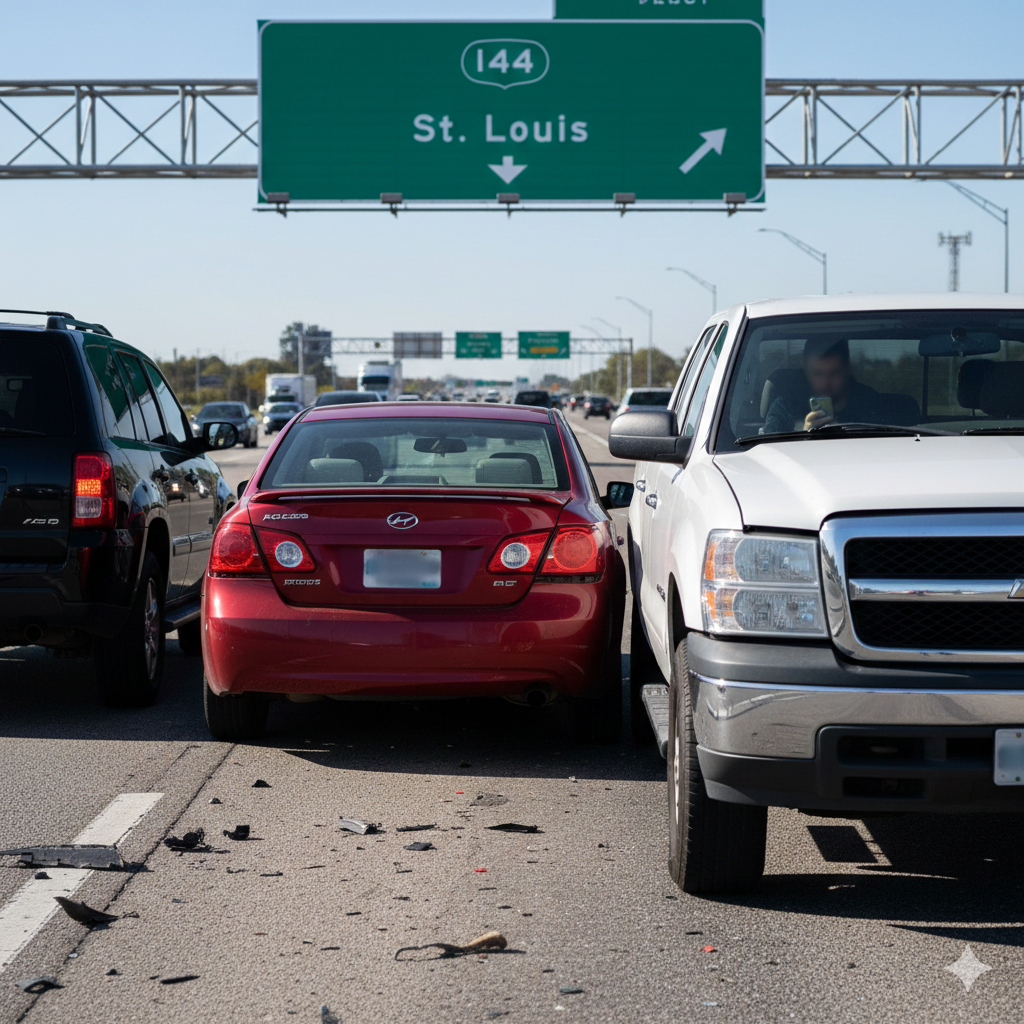
While the rear driver is usually presumed at fault in Missouri, there are exceptions involving sudden stops or mechanical failures.
-
Key Issues: Following too closely (tailgating) and distracted driving.
Liability for Failure-to-Yield Crashes Under Missouri Law
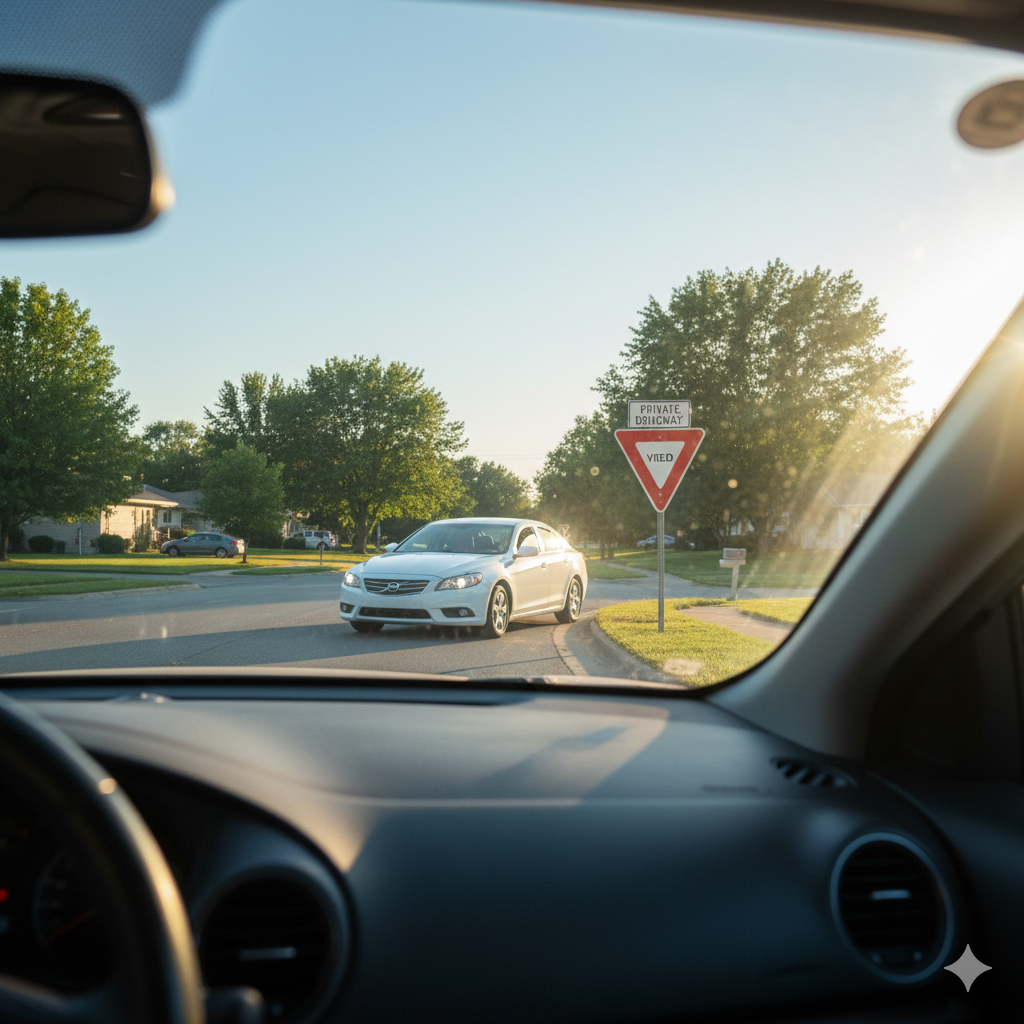
When a driver pulls out from a side street or parking lot into oncoming traffic, the results can be devastating.
- Key Issues: Misjudging speed and distance of oncoming cars.
- Read the Full Guide: Part 4 – Failure-to-Yield
Missouri Road Debris and Falling Object Liability

When cargo falls from a moving vehicle, the results can be devastating for everyone on the road. Missouri law requires all drivers to secure their loads to prevent items from becoming deadly hazards.
Key Issues: Proving Fault and Identifying Responsible Parties
Unlike standard collisions, falling object cases often involve complex liability:
-
Negligent Securement: Failure to use proper restraints like straps or tarps.
-
Commercial Liability: Shifting responsibility between the driver and the company that loaded the truck.
-
Chain Reaction Crashes: Fault when one driver swerves to avoid debris and strikes another vehicle.
Missouri’s Pure Comparative Fault System: What You Need to Know
Missouri operates under a “Pure Comparative Fault” system (specifically found in RSMo § 537.765). Unlike many other states that bar you from recovering money if you are more than 50% at fault, Missouri is much more flexible.
In Missouri, you can recover compensation even if you are 99% at fault for a crash. Your final settlement is simply reduced by your percentage of responsibility.
The “Proportionate Recovery” Math
To understand how this affects your pocketbook, look at how the damages are calculated:
-
Total Damages: $100,000 (Medical bills, lost wages, pain/suffering)
-
Your Assigned Fault: 20% (e.g., you were speeding slightly when the other driver ran a red light)
-
Your Recovery: $80,000
Why Insurance Companies Focus on Your Fault
Because every percentage point of fault assigned to you saves the insurance company money, they will look for any excuse to shift blame. Common tactics include:
-
Claiming you were distracted by a phone or radio.
-
Arguing you didn’t react quickly enough to avoid the collision.
-
Using “ambiguous” language from police reports to suggest you contributed to the accident.
At McDuffey & Medcalf, our goal is to minimize your percentage of fault. Call us today for a free consultation.

573-302-7211
FOR MORE INFORMATION & TO SEE THE LAWYERS AT MCDUFFEY & MEDCALF CAN HELP YOU WITH YOUR PERSONAL INJURY CASE:
CALL 573-302-7211 TO SCHEDULE A FREE CONSULT
EMAIL: brad@mcduffeylaw.com
OR SUBMIT YOUR INFORMATION HERE FOR A FREE CASE EVALUATION.